
Review fraud methods and always be prepared for such cases
Email Fraud
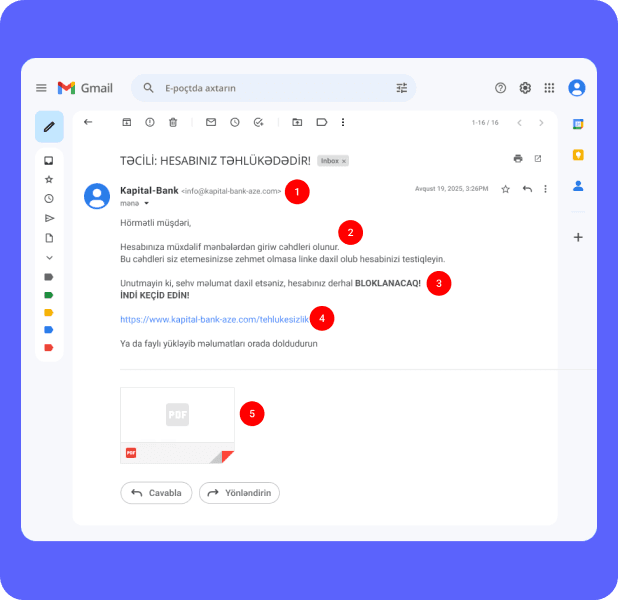
- 1.Similar email addressThe first thing you should pay attention to in emails is the sender's address. If the address looks suspicious to you, don't open the email.
- 2.Text full of errorsMultiple grammatical mistakes in the email might indicate fraud. Official emails from reputable sources maintain proper writing standards.
- 3.Creating a sense of fearFraudsters often use emotional manipulation. Don't trust messages that claim your account will be blocked or require immediate action without verification.
- 4.Suspicious linksCheck the address to identify links that don’t belong to official sources. Don’t add your information to links or requests you are unsure about.
- 5.Malicious attachmentsFiles sent through email may contain harmful viruses. Before downloading, make sure the email is from an official source.
SMS Fraud
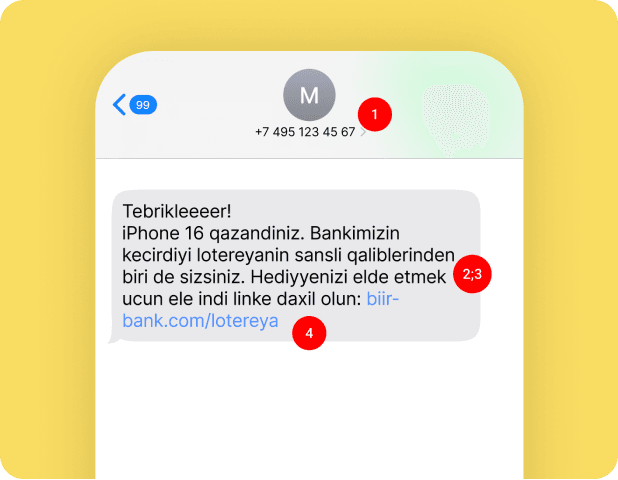
- 1.Unknown numbersOfficial sources do not use standard or foreign numbers when sending SMS. Be cautious with messages from such numbers.
- 2.UrgencyMessages with phrases like “Your account will be frozen immediately!” may indicate that the message was written by fraudsters.
- 3.Request for personal informationDelete SMS messages that ask for card details, passwords, or PIN codes. Official sources never ask for such personal information
- 4.LinksWhen clicking on links in SMS, be especially careful to check the destination address
Social Media Fraud
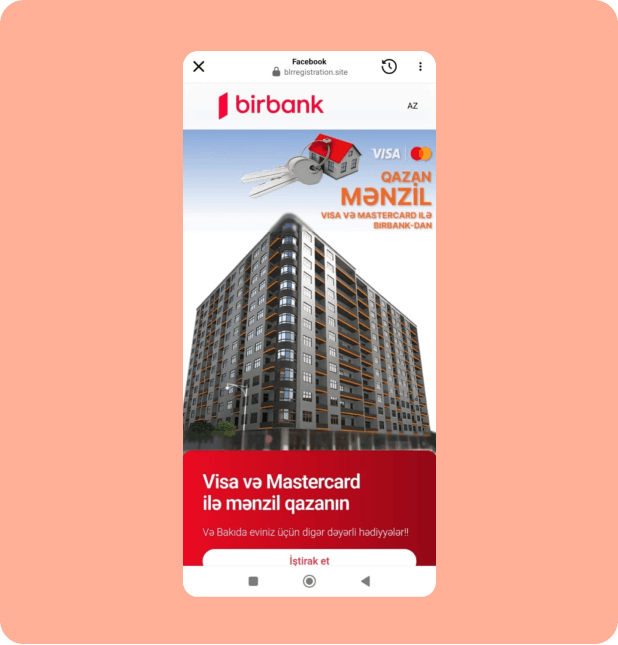
- 1.Fake advertisementsFraudsters create fake campaign posters and offer tempting deals. Pay attention to the accuracy of the page name in such ads and avoid sharing your information.
- 2.Fake accountsFraudsters create similar accounts on social media to achieve their goals, sending messages to accounts that follow the real profile.
- 3.Easily guessable passwordsUse hard-to-guess passwords on social media. Otherwise, fraudsters have a higher chance of cracking them, taking over the real account, and messaging the latest contacts to ask for money.
- 4.Sharing personal informationAvoid sharing personal or card information on social media, especially if you use an open account.
Phone Call Fraud
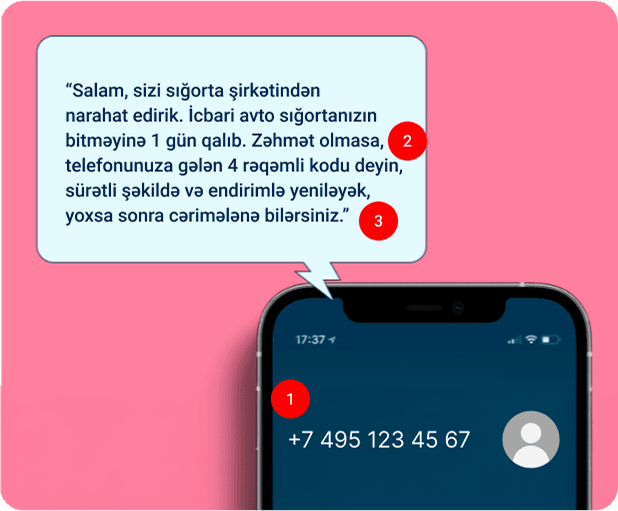
- 1.Calls from foreign numbersBanks do not call from foreign numbers. Therefore, do not trust calls from foreign numbers claiming to be from a bank employee. If you are suspicious, immediately end the call and call the bank yourself.
- 2.Urgent offersIf the caller demands immediate action, it’s best to be cautious and verify the information.
- 3.Request for personal informationBank employees never ask for confidential card details or one-time passwords during phone calls. If you are asked for this, end the call immediately.
- 4.Unexpected callAn unexpected call with shocking news about relatives and a request for urgent payment should raise suspicion. In such cases, try to verify the information from different sources without panic.
Other Types of Fraud
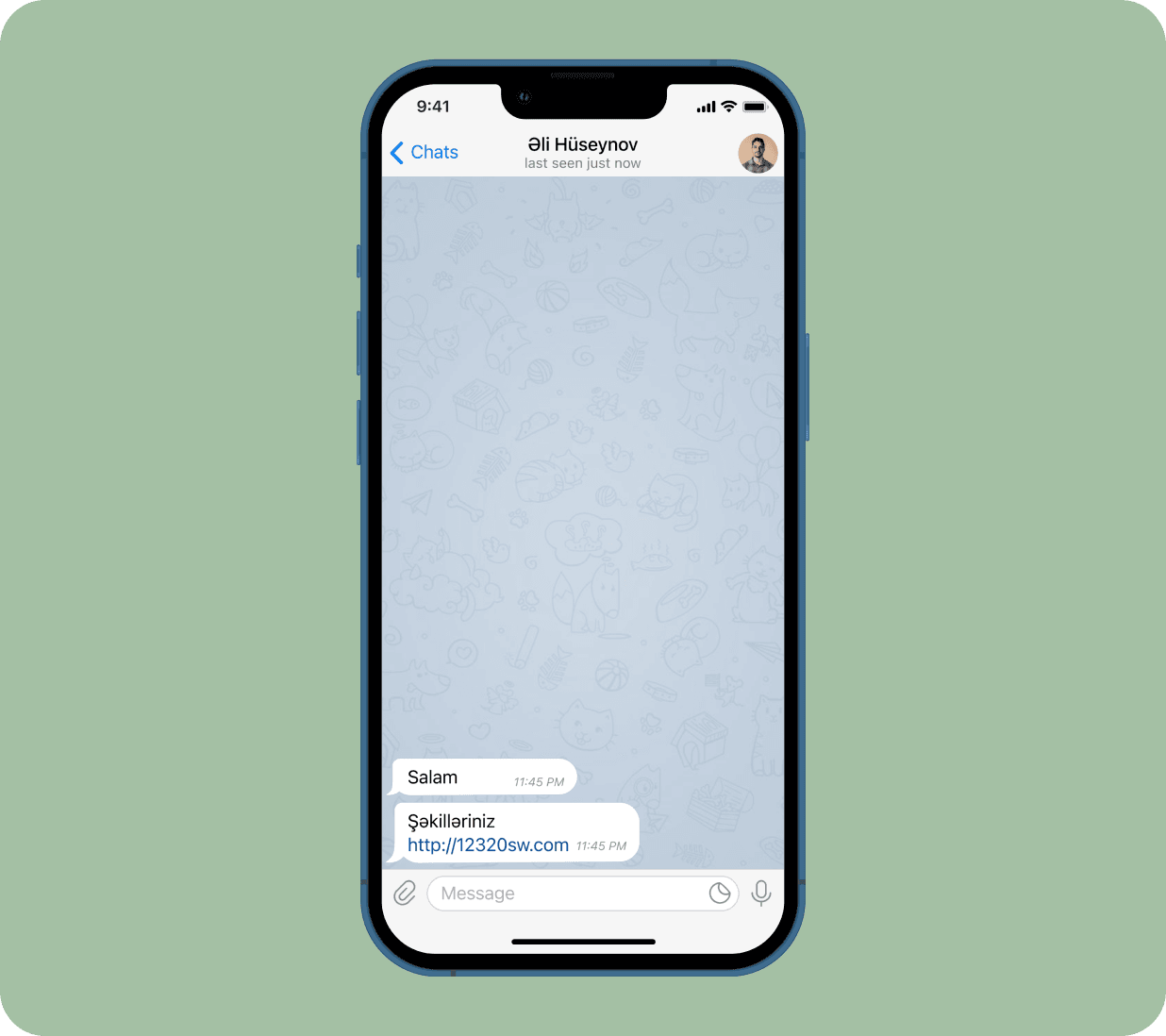
- 1.WhatsApp/Telegram FraudMessages are sent from similar numbers using profile pictures of people you know. Pay attention to the number and the style of the message.
- 2.Mobile App FraudIt is risky to download "crack" programs that carry viruses to your smartphone. These "apk" files, which offer paid services for free, spy on devices in the background.
- 3.Fake Website FraudFraudsters create copies of various websites, offering lottery opportunities, discounts, or gifts. This often requires filling out survey links or making payments. Carefully check the website address before engaging.